Compare Local Contractors for Culvert Installation Services
Compare local contractors to define project scope, verify experience, and set clear expectations for culvert installation to ensure a successful outcome.
Culvert installation is a specialized aspect of property development and drainage management that typically involves designing, excavating, and installing underground structures to allow water to pass beneath roads, driveways, or other pathways. This work often includes assessing site conditions, selecting appropriate culvert materials, and ensuring proper placement to prevent water accumulation or flooding. Proper installation is essential for maintaining the integrity of infrastructure and protecting property from water-related damage, making it important to work with experienced service providers who understand the technical requirements and local regulations.
Defining the scope of a culvert installation project is a critical step in ensuring the work meets the property owner’s needs and expectations. Clear communication about the size, location, and purpose of the culvert helps prevent misunderstandings and ensures that contractors can accurately plan and execute the work. Property owners should consider discussing site-specific factors such as soil type, drainage patterns, and any potential obstacles with prospective contractors. Having a written outline of the scope can also serve as a reference point throughout the project, helping to avoid scope creep and ensuring that all parties are aligned on the project's objectives.
When comparing local contractors for culvert installation, property owners should evaluate each service provider’s experience with similar projects and their understanding of local site conditions. It’s advisable to verify how long a contractor has been working in the area and whether they have a track record of completing culvert installations successfully. Additionally, reviewing references or seeking recommendations can provide insight into a contractor’s reliability and quality of work. Property owners are encouraged to request detailed proposals that outline the scope of work, materials, and methods, which can serve as a basis for comparing how each contractor plans to approach the project and meet the specified requirements.
Compare local contractors by outlining project priorities, verifying experience, and establishing clear written expectations.
- Compare Contractors - review multiple local service providers to find the best match for culvert installation needs.
- Define Scope Clearly - specify project details and expectations upfront to ensure accurate understanding.
- Verify Experience - assess the background and previous work of local contractors to gauge their expertise.
- Document Agreements - put project scope, responsibilities, and expectations in writing to avoid misunderstandings.
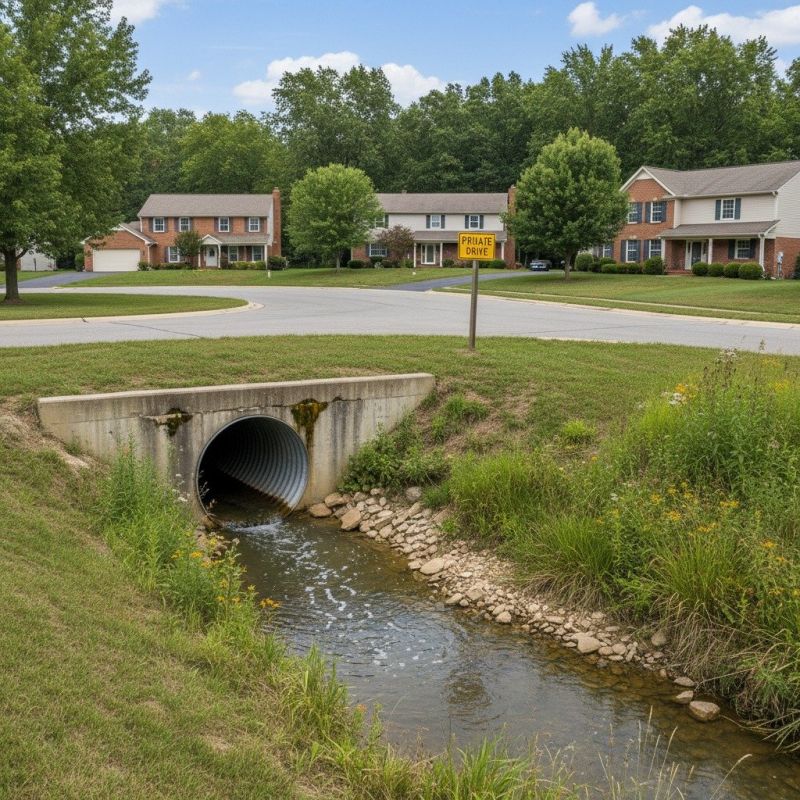
Clearly describe your culvert installation project first to help compare local contractors, verify experience, and set expectations in writing.
- Verify experience with culvert installation projects similar in scope and complexity. - Ensure contractors clearly define the scope of work and installation process in written agreements.
- Check references or reviews to assess the quality of past culvert installation work. - Confirm that service providers follow proper site preparation and installation practices.
- Discuss site-specific considerations, such as soil conditions and drainage requirements, to ensure proper planning. - Make sure contractors assess and address potential challenges before starting work.
- Review the proposed project plan to understand the materials, equipment, and methods they intend to use. - Ensure the plan aligns with project needs and local regulations.
- Request a detailed scope of work, including site preparation, installation, and cleanup procedures. - Clarify what is included and excluded to set clear expectations.
- Compare multiple local contractors to evaluate experience, scope definitions, and communication clarity. - Use this comparison to choose the service provider best suited for the project.
Compare local contractors' experience and clarify project scope to ensure successful culvert installation.
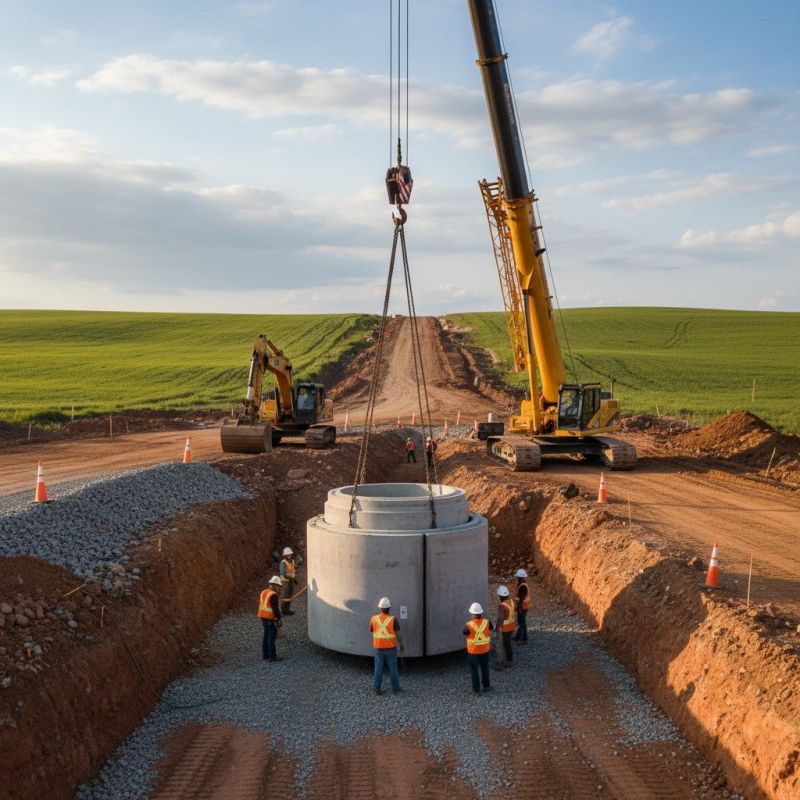
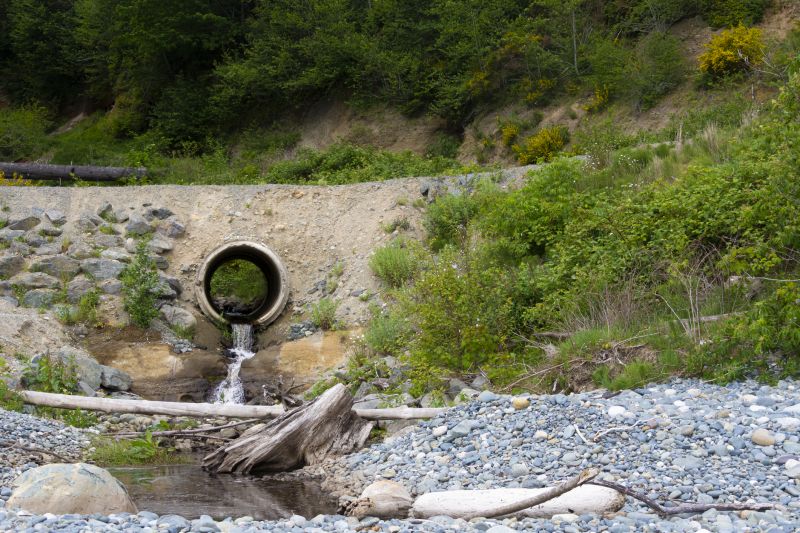
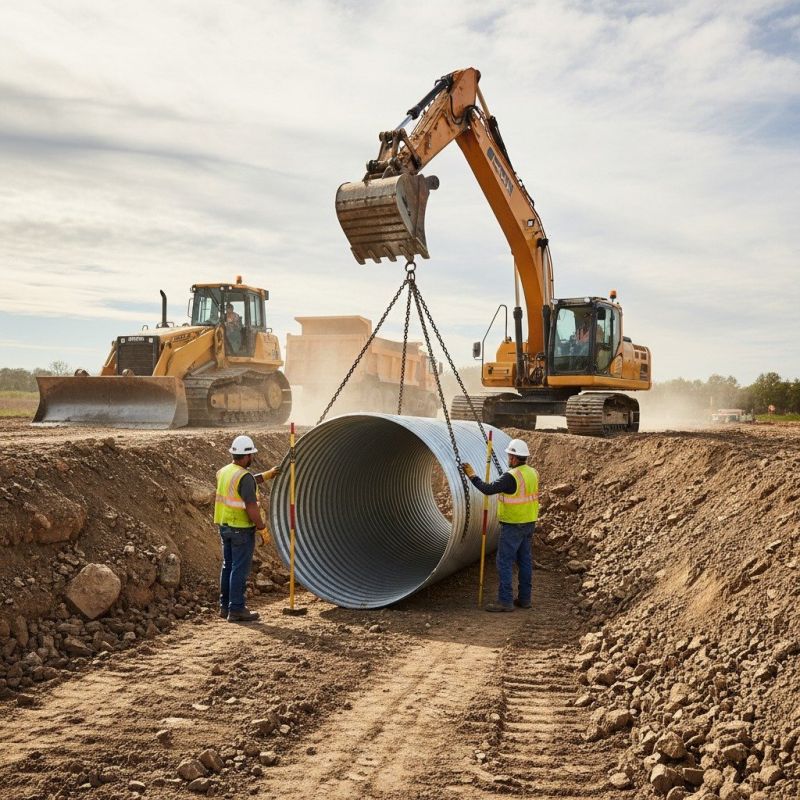
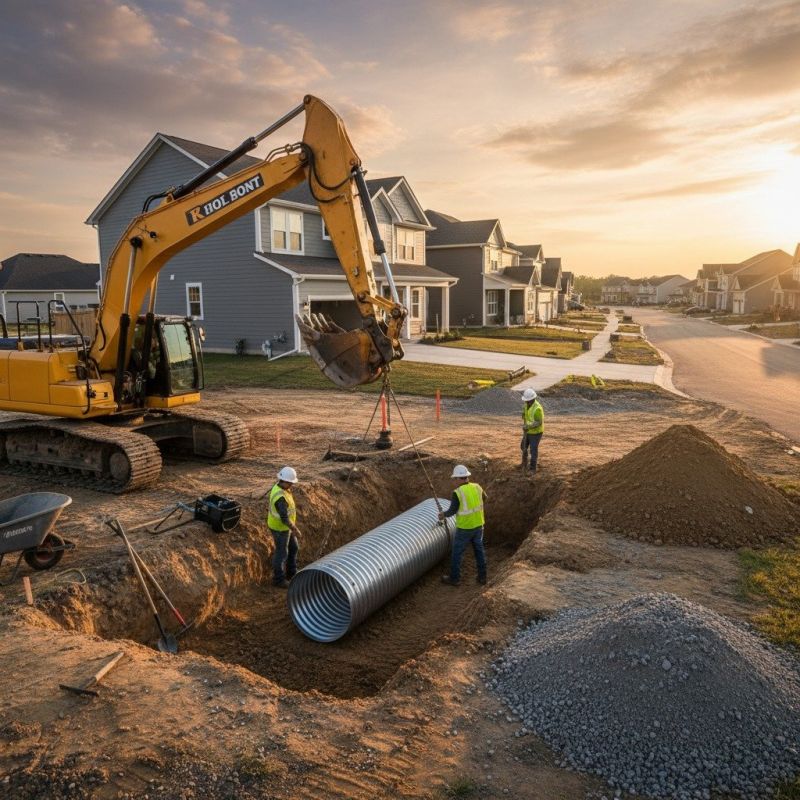
Learn how to compare local contractors for culvert installation by defining scope, verifying experience, and setting clear expectations.
- Scope Definition - Clearly outline the specific tasks and responsibilities involved in the culvert installation project.
- Experience Verification - Confirm that local contractors have relevant experience with culvert types and site conditions.
- Material Specifications - Specify the types, sizes, and quality of materials to be used for the culvert.
- Site Preparation Requirements - Identify necessary site conditions and preparatory work needed before installation begins.
- Project Expectations - Document the desired outcome, including dimensions, alignment, and drainage considerations, in writing.
When evaluating contractors for culvert installation, it’s important to consider their experience with similar projects. Homeowners should inquire about the types of culvert work the service providers have completed, paying attention to the size, scope, and complexity of those projects. Contractors with a history of handling projects comparable to the current needs are more likely to understand the specific challenges and requirements involved, which can contribute to a smoother process and successful outcome.
A clear, written scope of work is essential when comparing different contractors. This document should outline all key aspects of the culvert installation, including materials to be used, site preparation, installation methods, and any necessary permits or inspections. Having a detailed scope helps ensure that all parties have aligned expectations and reduces the risk of misunderstandings or overlooked tasks. It also provides a basis for evaluating whether a contractor’s proposed approach matches the project’s specific needs.
Verification basics are critical to making an informed decision. Homeowners should ask service providers about their process for assessing site conditions, such as soil stability, drainage patterns, and access considerations. Confirming that contractors plan to evaluate these factors before beginning work can prevent surprises later. Additionally, understanding how they verify the quality and durability of materials and the installation process can help ensure the work will meet long-term performance standards.
When comparing options, it’s helpful to review each contractor’s scope of work, experience, and verification procedures carefully. Clarify any ambiguities or gaps in their proposals and ask for detailed explanations of how they plan to address site-specific challenges. Evaluating how well each service provider communicates their approach and demonstrates understanding of the project’s requirements can aid in selecting a contractor who is thorough, reliable, and capable of delivering the desired results.
Request written details from local contractors to ensure scope, expectations, and responsibilities are clearly defined.
- **Experience and Expertise** - What specific experience do local contractors have with culvert installation projects similar to this one?
- **Scope of Work** - How do contractors define and clarify the scope of work to ensure all project aspects are covered?
- **Comparison of Services** - What services and methods do different local service providers recommend for culvert installation?
- **Project Expectations** - How do contractors outline project expectations and deliverables in writing to avoid misunderstandings?
- **Qualifications and References** - Can contractors provide references or examples of past culvert installations to verify their experience?
What should I consider when comparing contractors for culvert installation? It's important to review their experience with similar projects, verify their reputation, and ensure they understand the scope of work to meet your specific needs.
How can I define the scope of a culvert installation project? Clearly outline the project requirements, including the location, size, and purpose of the culvert, and communicate these details to potential service providers to ensure accurate proposals.
What questions should I ask contractors about their experience? Inquire about their past projects, the types of culverts they have installed, and their familiarity with local site conditions to assess their expertise.
Why is it important to get written estimates and scope agreements? Having detailed, written documentation helps set clear expectations, prevents misunderstandings, and provides a reference for the project's agreed-upon work and responsibilities.
How can I verify the reliability of local contractors? Check references, review previous project examples, and look for reviews or testimonials to gauge their reputation and quality of work.
What should I look for in a contractor’s proposal? Ensure the proposal clearly describes the work scope, materials to be used, project milestones, and any warranties or guarantees offered for the culvert installation.
By reviewing the information provided, visitors can gain a clearer understanding of how to evaluate contractors for culvert installation projects. They have learned the importance of defining the scope of work, verifying the experience of service providers, and setting clear expectations in writing to facilitate a smooth process. Utilizing the quote form allows for easy comparison of local contractors, helping to identify options that meet specific project needs.
Using the quote form is a straightforward way to explore and compare local contractors who specialize in culvert installation. It enables visitors to gather information, assess different service providers, and make informed decisions based on their unique project requirements. This approach helps connect with experienced professionals capable of handling the job efficiently.